
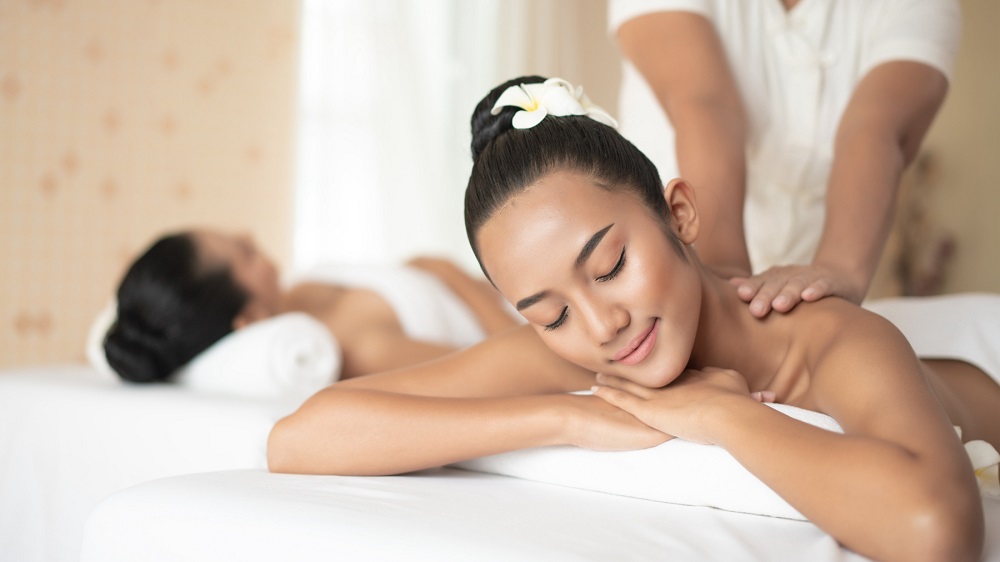
Thai massage has become familiar far beyond Thailand. It now appears on spa menus in cities across the world, often alongside Swedish massage, hot stone treatments and deep tissue work. Yet the treatment feels noticeably different from many of the massage styles people first encounter. Instead of lying still while oil is worked into the muscles, Thai massage commonly uses pressure, assisted stretches and movements that involve the whole body.
In Thailand, the practice is known as Nuad Thai and has long been connected with traditional healthcare. It developed as a hands-on form of care passed between teachers, families and practitioners, used to ease muscular discomfort and help people maintain movement. In 2019, UNESCO added Nuad Thai to its Representative List of the Intangible Cultural Heritage of Humanity, recognizing its place within Thai knowledge and community life.
As the practice reached a wider international audience, Thai therapeutic massage became associated with a treatment that is active, structured and closely linked to Thai wellness traditions. It is often chosen by people who want help with everyday tension or stiffness, but who also enjoy the stretching element that makes the experience feel quite different from a standard relaxation massage.
Part of its international appeal comes from that difference. A Thai massage may involve the therapist using hands, forearms or elbows to apply pressure, followed by assisted movements that gently stretch different areas of the body. Traditionally, the client remains clothed in loose, comfortable clothing, and the treatment may take place on a padded mat rather than a conventional massage table.
That can be a surprise for anyone expecting a quiet oil massage, but it is also what makes the treatment memorable. The session has a natural sense of movement to it. For someone who spends long hours sitting at a desk, trains regularly or simply feels stiff after an exhausting week, the combination of pressure and stretching can be particularly appealing.
Tourism helped introduce many people to Thai massage for the first time. A treatment booked during a visit to Thailand could be affordable, easy to arrange and unlike anything they had tried at home. People returned with an interest in booking the same style again, while Thai-trained therapists and spa businesses brought the practice to international cities.
Its popularity abroad has also grown alongside a wider interest in wellness treatments that have a clear sense of origin. People are often curious about what makes one treatment different from another, rather than simply booking a generic massage. Thai massage has a recognizable identity, and that identity has survived as it has moved into new settings.
There are now many variations. Some appointments stay close to traditional Nuad Thai, while others combine Thai techniques with oil, heated herbal compresses or other spa treatments. For a first booking, it is worth reading the description carefully and asking what the session involves, especially if pressure or assisted stretching is new to you.
Thai massage became known around the world because it offers an experience people remember and talk about. Its history remains rooted in Thailand, but its practical appeal is easy to understand anywhere people deal with tired muscles, stiff shoulders and the need to properly switch off for an hour.
