
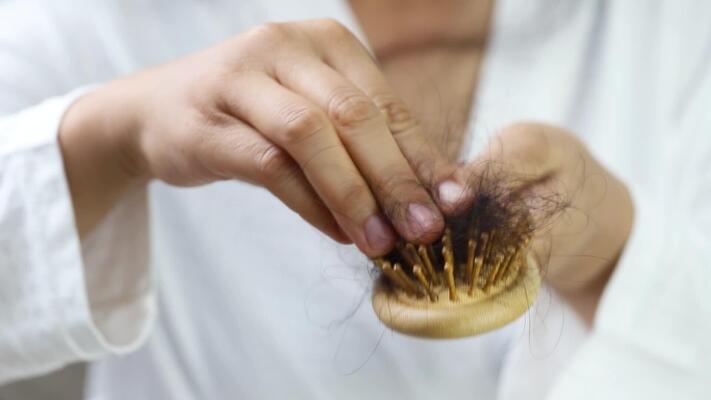
Many aspects of daily life affect hair growth and strength. While some people focus on medical treatments such as hair transplant, there are steps anyone can take to support healthy hair. Nutrition, stress levels, and grooming routines all contribute to the condition of your scalp and strands.
A balanced diet rich in protein, vitamins, and minerals is essential. Foods containing iron, zinc, and B vitamins help form strong follicles. Drinking plenty of water keeps both skin and hair hydrated. Avoiding crash diets prevents nutrient deficiencies that can lead to thinning.
Managing stress also has a strong impact. High levels of tension can disrupt the hair growth cycle, causing temporary shedding. Regular physical activity, meditation, and adequate sleep can improve your body’s resilience. Additionally, gentle grooming habits, such as using a wide tooth comb and avoiding high heat styling, protect hair from breakage.
Tips for supporting hair health include eating a varied diet with lean proteins, fruits, and vegetables. Stay hydrated throughout the day. Reduce stress through exercise and mindfulness. Be gentle when brushing and styling. Consult a professional advisor if you notice sudden changes in hair density.
Making small adjustments in daily routines can yield noticeable improvements over time. Focusing on overall wellbeing often benefits hair as well as general health.
Protein plays a fundamental role in hair structure. Meals that include lean meats, fish, legumes, and nuts provide the building blocks for strong strands. Omega-3 fatty acids from fish like salmon support scalp health, while antioxidants in berries and leafy greens protect follicles from damage. Including a rainbow of fruits and vegetables ensures that you get a variety of vitamins and minerals to nourish your hair from within.
Physical activity also supports hair health. Exercise improves circulation, delivering nutrients and oxygen to the scalp. It helps regulate hormones that may affect hair growth, and it reduces stress levels. Incorporating moderate to vigorous workouts into your week, along with relaxation practices such as yoga or deep breathing, provides a balanced approach to self care that benefits both hair and body.
Reducing exposure to environmental pollutants also benefits hair. Wearing hats or scarves in harsh weather and rinsing hair after swimming protects strands from damage caused by sun and chemicals in water. Small habits like these help maintain the integrity and shine of your hair.
Mental health awareness is increasingly recognised as a factor in hair health. Stress reduction techniques, such as journalling, deep breathing, or therapy, can positively influence both mind and body. Paying attention to emotional wellbeing supports overall health, which in turn reflects in stronger, healthier hair.
Staying hydrated throughout the day supports healthy hair growth by nourishing follicles from within. Drinking enough water complements a balanced diet and ensures that nutrients are transported effectively throughout your body.
