
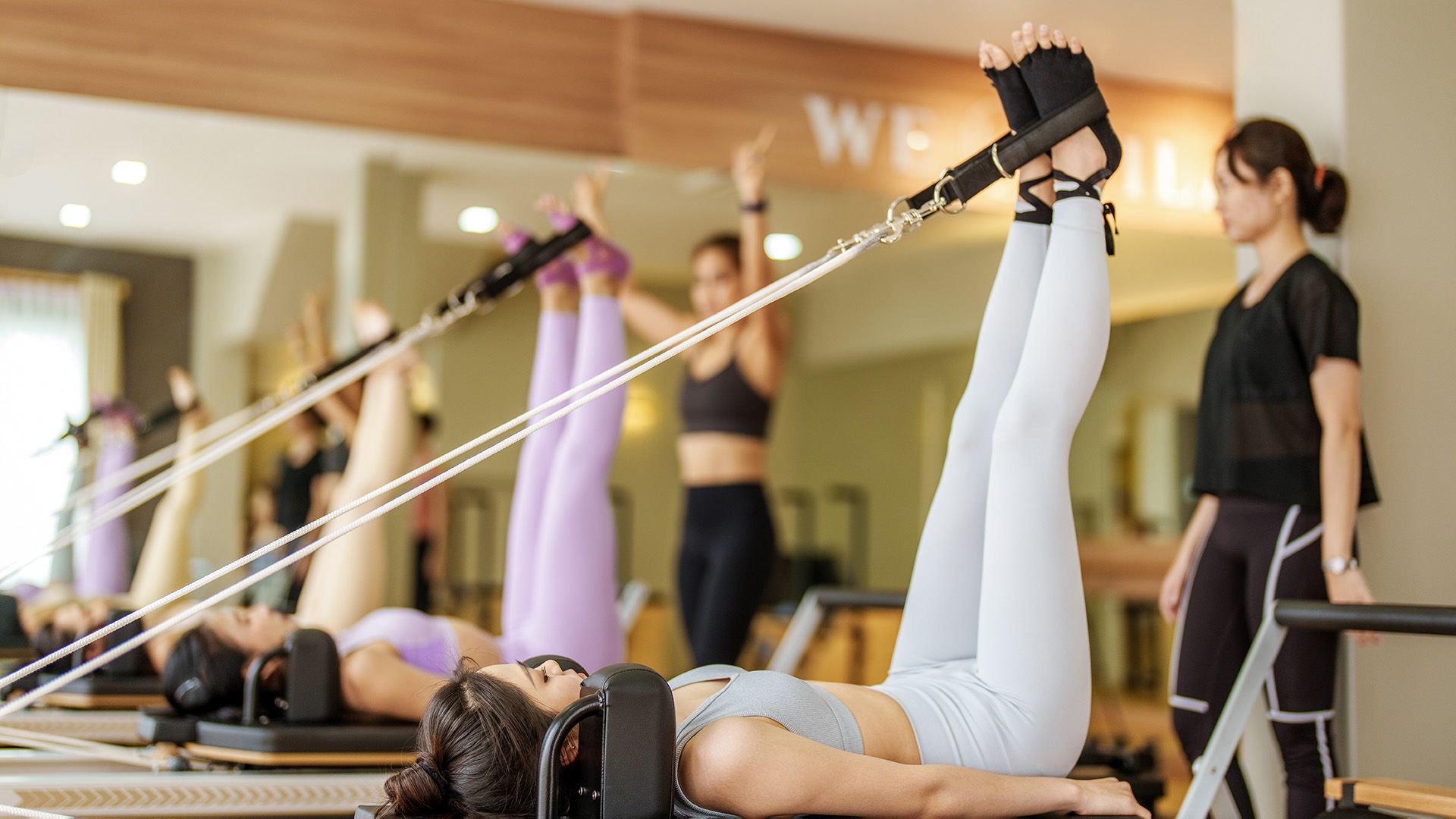
In the fast-paced lifestyle of Singapore, posture problems, back discomfort and weak core muscles have become increasingly common among working adults. Many spend long hours at desks or on mobile devices, resulting in stiffness and poor spinal alignment. This is where reformer pilates Singapore has emerged as one of the most effective fitness practices to restore body balance and long-term strength. Beyond flexibility, reformer Pilates focuses on deep muscle engagement and structural health, making it ideal for anyone seeking improved posture, mobility and pain-free living.
Understanding Posture Issues in Modern Singapore Life
Posture problems today are not limited to older adults. Even young professionals face tension in the neck, shoulders and lower back due to hours of sitting and minimal movement. Singapore’s predominantly office-based work culture amplifies this. Bad posture not only causes muscular pain but also leads to fatigue, reduced productivity and even digestive issues.
Reformer Pilates provides a science-based solution by engaging the core muscles that support the spine. Instead of focusing on heavy lifting or high-impact workouts, it uses controlled resistance to correct alignment and strengthen the deeper stabilising muscles that everyday exercise often neglects.
The Science Behind Reformer Pilates
The reformer machine is designed to build stability and mobility simultaneously. Its springs, pulleys and moving carriage create adjustable resistance that challenges both strength and control. Each movement requires concentration, breathing coordination and awareness of posture.
This approach activates the body’s inner core muscles — the transverse abdominis, pelvic floor and spinal stabilisers — which directly influence spinal alignment and postural endurance. Over time, regular reformer Pilates practice retrains the body to maintain upright posture naturally, even outside the studio.
Key Health Benefits of Reformer Pilates for Posture and Core Strength
Reformer Pilates stands apart from other workouts because it balances flexibility, strength and rehabilitation. Here are some targeted health benefits that make it especially effective for people in Singapore’s modern urban environment:
-
Improved Postural Awareness: Practitioners learn how to align their spine, hips and shoulders, preventing habitual slouching or leaning.
-
Stronger Core and Back Muscles: Resistance-based movements help strengthen deep abdominal and spinal muscles that protect the lower back.
-
Reduced Back and Neck Pain: By improving alignment and muscular balance, tension in overused areas like the neck and shoulders decreases significantly.
-
Better Flexibility and Range of Motion: Controlled stretching and strengthening improve joint mobility without strain.
-
Enhanced Circulation and Energy Levels: Low-impact movements stimulate blood flow, reduce stiffness and leave the body energised.
These improvements not only alleviate chronic pain but also reduce the risk of future injuries by correcting muscular imbalances.
Reformer Pilates for Office Professionals
Office workers in Singapore face some of the highest levels of musculoskeletal stress due to long hours of sitting. Reformer Pilates can serve as an antidote to desk fatigue. The exercises specifically target shortened hip flexors, tight hamstrings and weak gluteal muscles caused by prolonged sitting.
Classes focusing on postural correction often include sequences such as footwork, bridging and spinal articulation. These not only open up the hips and shoulders but also strengthen the posterior chain — the group of muscles along the back of the body essential for upright posture. With consistent sessions, practitioners find their spine taller, movements lighter and breathing easier throughout the day.
Postnatal Recovery and Spine Rehabilitation
Reformer Pilates has become an essential part of postnatal and rehabilitation programs in Singapore. For mothers, it helps rebuild pelvic floor strength and reactivates deep abdominal muscles that support posture after childbirth. For those recovering from injuries, the adjustable resistance of the reformer allows controlled progression without overstraining healing muscles or joints.
Physiotherapists often recommend reformer Pilates as a long-term method to prevent relapse of chronic back pain. The combination of muscle endurance and flexibility training creates a foundation for sustainable recovery.
Why Reformer Pilates Works Better Than Mat-Based Exercises for Posture
While mat Pilates offers excellent flexibility and mobility benefits, reformer Pilates provides a higher level of customisation. The springs and adjustable tension let individuals tailor exercises according to their physical condition, posture issues and strength level.
The machine’s moving carriage also demands constant balance and control, enhancing proprioception — the body’s sense of position and movement. This results in greater awareness of alignment in daily life, even when not exercising. Over time, these neuromuscular connections create habits of standing taller, sitting straighter and moving more efficiently.
Choosing the Right Reformer Pilates Studio in Singapore
The key to effective reformer Pilates lies in proper instruction and safe guidance. Certified instructors are trained to observe subtle postural deviations and tailor sessions for individual needs. When selecting a studio in Singapore, consider these factors:
-
Instructor Certification and Experience: Look for instructors certified under reputable Pilates education programmes.
-
Small Class Sizes: Personalised attention ensures better posture correction and safety.
-
Cleanliness and Equipment Maintenance: Well-maintained reformers are essential for comfort and performance.
-
Specialised Programs: Some studios offer posture-focused or rehabilitation-oriented sessions suited to different needs.
-
Trial Sessions: Try an introductory class to assess comfort, teaching quality and environment.
Investing in the right environment ensures consistent progress and reduced risk of injury.
Integrating Pilates into Everyday Life
The benefits of reformer Pilates extend beyond the studio. Once posture awareness improves, individuals naturally begin to apply these principles throughout their routine. Whether working at a desk, carrying groceries or standing in line, maintaining proper core engagement becomes second nature.
To reinforce progress:
-
Take short breaks during work hours to stretch or stand.
-
Use ergonomic chairs that support lumbar alignment.
-
Practise simple Pilates-based breathing while sitting or walking.
Such mindful habits help sustain the gains made through regular classes and make posture improvement a continuous process.
A Singapore Perspective on Wellness
Singapore’s wellness industry has evolved into a culture that values longevity, prevention and balanced living. Reformer Pilates fits perfectly within this approach. It provides an alternative to high-intensity workouts while remaining challenging enough for long-term fitness goals.
The humid climate and busy schedules make low-impact, air-conditioned studio sessions appealing to professionals, retirees and new mothers alike. More importantly, the focus on posture and pain-free mobility reflects a broader movement towards holistic health in urban environments.
For those seeking a supportive and professional environment to begin their journey, Yoga Edition offers a mindful space to practise reformer Pilates with precision and care.
Real-Life FAQs
Q1. How long does it take to notice improvements in posture after starting reformer Pilates?
Most practitioners begin noticing visible posture improvements within four to six weeks of consistent sessions, usually two to three times weekly. Progress depends on individual muscle imbalances and daily habits.
Q2. Can reformer Pilates help reduce chronic lower back pain?
Yes. Reformer Pilates is highly effective in alleviating lower back pain caused by weak core muscles and poor posture. It strengthens the stabilising muscles around the spine, promoting long-term relief.
Q3. Is reformer Pilates safe for beginners or those with medical conditions?
With professional guidance, reformer Pilates is safe for most individuals. Instructors can adjust spring tension and range of motion to accommodate limitations or injuries. Always inform your instructor of any existing conditions.
Q4. How is reformer Pilates different from other workouts for posture correction?
Unlike typical strength training, reformer Pilates combines controlled resistance, alignment cues and breathing techniques to strengthen the body without stress on joints. It emphasises precision rather than repetition, leading to longer-lasting results.
Q5. Can reformer Pilates replace regular gym workouts?
While it can be a primary form of exercise, many people combine reformer Pilates with other activities such as swimming or walking. It complements cardiovascular workouts by enhancing stability and reducing the risk of injury.
Q6. Is reformer Pilates suitable for older adults in Singapore?
Absolutely. Its low-impact nature and adjustable resistance make it ideal for seniors looking to improve posture, balance and mobility. It also enhances joint health without overexertion.
Q7. What is the best time of day to practise reformer Pilates?
The best time is when you feel most energised and focused. Morning sessions help activate the body and improve posture awareness for the rest of the day, while evening classes relieve tension from sitting or standing for long hours.
This article establishes reformer Pilates as more than a fitness trend — it is a transformative approach to health and posture correction. For Singaporeans looking to balance strength and wellness, it offers a sustainable, intelligent way to move better and live stronger.
